AHA

Uncategorized

Uncategorized

The New Rules of Engagement Digital Campaigns in the Attention Economy

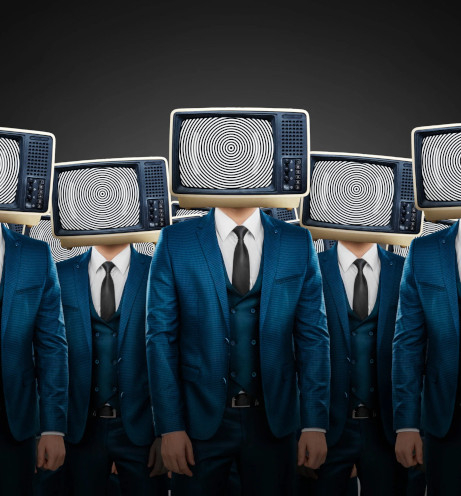
THE NEW RULES OF ENGAGEMENT: DIGITAL CAMPAIGNS IN THE ATTENTION ECONOMY THE NEW RULES OF ENGAGEMENT: DIGITAL CAMPAIGNS IN THE ATTENTION ECONOMY The attention economy is the modern reality where human attention is the most limited, and most valuable resource. Brands aren’t just competing with competitors; they’re competing with everything on a screen. Digital campaigns now succeed by designing for shrinking attention spans, not fighting them. Winning brands create multi-format content (static, video, stories, carousels, shorts) so audiences can consume on their own terms. Personalisation at scale is no longer optional; it’s what drives relevance, recall, and conversion. The goal isn’t loudness; it’s precision: serving the right story, in the right format, at the right moment. Scroll-stopping experiences, through creative, timing, or interaction are what truly set campaigns apart. This blog breaks down: The new rules of digital campaign planning The essential campaign types brands must master Real digital campaign examples showing what success looks like in 2025 There’s a simple truth in today’s digital world: You’re not competing with other brands; you’re competing with everything else on someone’s screen. A trending reel. A meme. A push notification. A recipe video. A stranger’s holiday photos. Every second, millions of stimuli fight for the same slice of human focus your campaign hopes to win. This environment is what we now call the attention economy, a system where attention itself becomes the most valuable, scarce commodity. It’s no longer enough to simply “be present” online. Brands must earn micro-moments of focus in a landscape where the average person’s attention span is shorter, their feed is infinite, and the scroll never stops. IN THE ATTENTION ECONOMY: Content is abundant, but attention is limited. Creators, brands, platforms, and algorithms all compete for the same cognitive bandwidth. The consumer is in full control of what they watch, when they watch, and how long they stay. Attention behaves like currency: you must invest, earn, protect, and grow it. The first 1–3 seconds determine whether a story gets consumed or abandoned. SETTING THE RIGHT CONTEXT MEANS ACCEPTING THIS SHIFT: Digital campaigns today are not about broadcasting; they’re about capturing, holding, and rewarding attention in a hyper-saturated world. Let’s decode what that really means. 1. ATTENTION IS THE NEW CURRENCY According to research, globally, people average 6 hours and 40 minutes of screen time per day. A 2025 report states the first 3 seconds decide if they’ll stay or scroll. That means the old playbooks-long introductions, padded storytelling-don’t stand a chance. 2. PERSONALISATION IS NO LONGER A NICE-TO-HAVE-IT’S THE BASELINE In an era where Netflix knows your mood and Spotify knows what you’ll play next, generic campaigns fail fast. Successful digital marketing campaigns use: Behavioural signals Real-time personalisation Dynamic creative optimisation AI-driven segmentation Relevance isn’t magic-it’s engineering. 3. THE RISE OF MICRO-MOMENTS AND MULTI-FORMAT THINKING People don’t consume content in long, predictable arcs anymore. They snack. They bounce. They browse in fragments. Modern digital campaigns must be built for: 6-second videos Carousels Shorts/Reels Interactive formats Live commerce Social-first storytelling Creator collaborations The brands that thrive are the ones that don’t tell one story-they tell one idea in 20 different ways. 4. CREATOR ECOSYSTEMS ARE MORE POWERFUL THAN BRAND ECOSYSTEMS Influencers are no longer just amplifiers, they’re co-architects of some of the best digital marketing campaigns today. Creators bring: Built-in trust Platform-native storytelling Lower skepticism Higher authenticity Faster experimentation cycles The new rule? If people tell your story, it spreads.If your brand alone tells it, it competes. 5. COMMUNITY MATTERS MORE THAN REACH For years, brands chased impressions. Today, impressions without participation are just vanity metrics. The most successful digital marketing campaigns focus on: Conversations Co-creation UGC challenges Niche communities Long-term audience engagement It’s not about how many people saw your campaign-it’s about how many people felt part of it. 6. AGILITY BEATS PERFECTION The Oreo Super Bowl moment (“You can still dunk in the dark”) rewired the industry. Now, brands need: Real-time listening Fast approvals Modular content systems Pre-built assets for rapid response The best moments in digital marketing campaigns examples weren’t planned months in advance-they happened because teams were prepared to act in minutes. THE TYPES OF DIGITAL MARKETING CAMPAIGNS BRANDS MUST ORCHESTRATE TODAY In the attention economy, no single campaign can do all the work. Brands stay relevant by running a connected system of digital marketing campaigns, each playing a distinct role in keeping the brand visible, memorable, and easy to choose. Think of these not as standalone ideas, but as layers of one operating model. Awareness campaigns create the emotional and mental entry point. They do the heavy lifting of brand positioning, storytelling, and meaning, establishing why the brand matters before a purchase is even on the horizon. Performance campaigns keep the brand commercially accountable. They convert intent into action through lead generation, retargeting, and funnel optimisation, ensuring attention doesn’t just look good on dashboards but translates into outcomes. Social-first creative campaigns sustain daily relevance. Built for how people actually scroll, watch, and share, these platform-native ideas keep the brand present between big moments and buying cycles. Influencer and creator campaigns extend credibility and cultural access By co-creating with people audiences already trust, brands borrow attention instead of interrupting it, making messages feel native rather than imposed. Community-building campaigns turn visibility into participation. UGC, challenges, and ambassador programmes help brands move from being noticed to being felt, strengthening memory through involvement rather than exposure alone. Personalised lifecycle campaigns protect long-term value. Automation, email, and retention flows ensure the brand continues to show up meaningfully after the first interaction, deepening relevance over time. Real-time and reactive campaigns signal cultural awareness. By responding quickly to moments, trends, or conversations, brands demonstrate that they’re alive, listening, and part of the world their audience inhabits. Interactive and immersive campaigns deepen engagement. AR, gamification, and immersive experiences don’t just capture attention; they reward it, creating stronger recall and emotional imprint. Together, these types of digital marketing campaigns form a continuous ecosystem. One builds memory. Another converts intent. Another keeps


Uncategorized

CONSISTENCY VS. CREATIVITY

CONSISTENCY VS. CREATIVITY:THE BALANCE INBRAND COMMUNICATION CONSISTENCY VS. CREATIVITY:THE BALANCE IN BRAND COMMUNICATION Brands don’t win by choosing consistency or creativity; they win by knowing which parts must stay constant and which parts can evolve. Consistency builds recognition, trust, and revenue, with studies showing lifts of up to 20–33%. Creativity delivers attention, emotional freshness, and cultural relevance. The strongest brands lock down their core promise, tone, and visual codes. They let creativity flex through storytelling, formats, and real-time ideas. Coca-Cola, Old Spice, Oreo, and Airbnb stay recognisable while still surprising people. The real question isn’t which side to pick, but what you want to be instantly known for and where you want to keep reinventing yourself. Consistency is the discipline that makes a brand recognisable, the repeated cues, behaviours, and signals that form the backbone of an effective brand communication strategy. Creativity is the spark that keeps a brand alive; the freshness, surprise, and culturalrelevance that earns attention in a noisy world. People often frame these as opposites, as if brands must choose between looking thesame or trying something new. But that’s never been the real debate. The two aren’trivals; they’re co-workers. And if a brand wants breakthrough results, relying on just onehas never been enough. When you understand which parts of your brand must stay constant and which partscan flex, that’s when consistency becomes a multiplier and creativity becomes a force. WHY CONSISTENCY STILL PAYS THE BILLS Before wild ideas enter the room, it’s worth remembering why brand consistency became foundational to modern brand communication strategy. A 2024 report of multiple studies shows that consistent branding is associated with up to 20% higheroverall growth and as much as 33% higher revenue compared to brands that show up in a fragmented way. Earlier research from 2025 estimated that more consistent brand presentation could drive an average 23% lift in revenue. Recognition, trust, and memory are compoundingassets. If your logo, tone, colours, and promise keep changing, customers have to “relearn” you every time. THINK OF BRANDS THAT FEEL INSTANTLY FAMILIAR,EVEN BEFORE YOU REGISTER THE LOGO. Yes, there’s the red and the script logo, but the real consistency lives in its brand communication. Coca-Cola always shows up as an emotional amplifier of human moments: togetherness, celebration, small joys. Whether it’s “Open Happiness,” “Taste the Feeling,” or “Share a Coke,” the brand’s tone stays optimistic, inclusive, and warm. The stories change, the settings change, the formats evolve but the brand communicationstrategy remains anchored in warmth, optimism, and inclusion. emotional amplifier of human moments: togetherness, celebration, small joys. Whether it’s “Open Happiness,” “Taste the Feeling,” or “Share a Coke,” the brand’s tone stays optimistic, inclusive, and warm. The stories change, the settings change, the formats evolve but the brand communication strategy remains anchored in warmth, optimism, and inclusion. The golden arches and red-yellow palette are recognisable, but thedeeper glue is behavioural and tonal. McDonald’s communication is always fast, familiar, and friendly. The brand speaks in simple language,leans into everyday moments, and avoids taking itself too seriously. Campaigns vary wildly, from value menus to cultural collabs, but thecharacter remains consistent: approachable, comforting, and easy. always fast, familiar, and friendly. The brand speaks in simple language, leans into everyday moments, and avoids taking itself too seriously. Campaigns vary wildly, from value menus to cultural collabs, but the character remains consistent: approachable, comforting, and easy. Minimal design is only one layer. Apple’s true consistency lies in how it communicates clarity, confidence, and respect for the user’s intelligence. The tonality is calm, precise, and human. Thebehaviour is restrained; no clutter, no shouting, no gimmicks. Everylaunch film looks different, but the way Apple explains ideas, framesinnovation, and centres the human experience never wavers. intelligence. The tonality is calm, precise, and human. The behaviour is restrained; no clutter, no shouting, no gimmicks. Every launch film looks different, but the way Apple explains ideas, frames innovation, and centres the human experience never wavers. WHAT’S COMMON ACROSS THESE BRANDS IS THIS Consistency is not just how a brand looks, it’s how it speaks, behaves, and shows up emotionallyover time. Logos and colour palettes are easy to police. COMMUNICATION IS WHERE THINGS QUIETLY DRIFT Tone of voice Narrative style Pacing Humour (or restraint) What the brand reacts to and what it ignores How it responds to culture, criticism, or change These are the elements that get volleyed around most inside organisations, and they’re also the ones that shape long-term brand memory far more than identity alone. THE STRONGEST BRANDS LOCK IN A CLEAR COMMUNICATION CHARACTER How we sound What we stand for The role we play in people’s lives The behaviours we repeat consistently Once that’s stable, creative expression can evolve freely, without ever feeling unfamiliar. WHY CREATIVITY STILL BREAKS THE CEILING If consistency is about being recognisable, creativity is about being unignorable. Great creative work within a strong brand communication framework does three things: Forces attention in a saturated environment Refreshes how the brand shows up emotionally Gives people something to talk about and share A few global examples prove the point. BREAKING CATEGORY TONE WITHOUT BREAKINGBRAND BELIEF Nike has constantly broken the communication conventions of sports advertising, without ever breaking its core belief. When Nike launched “Dream Crazy” with Colin Kaepernick, it wasn’t playing safe: Polarising protagonist Political tension Cultural risk Highly charged social context From a surface view, it looked like a radical departure. But beneath the controversy, Nike stayed deeply anchored to its long-held role: championing belief, conviction,and the courage to push limits. Nike didn’t suddenly become an activist. It applied the same belief system, “If you have a body, you’re an athlete”, to adifferent cultural battleground. What stayed fixed Tonality: bold, uncompromising, emotionally charged Character: defiant, challenger, belief-driven Behaviour: choosing conviction over consensus What broke convention Category-safe storytelling Neutral sports hero narratives The result: massive cultural conversation, a surge in online sales in the days followinglaunch, and long-term reinforcement of Nike’s brand stance. Nike shows that consistency in belief and behaviour gives brands permission to take creative

Uncategorized

Unlocking ROI and Deep Brand Connections

UNLOCKING ROI AND DEEP BRAND CONNECTIONS: WHY VIDEO ADS ARE ESSENTIAL FOR MODERN MARKETERS Video ads aren’t optional-they’re essential. They capture attention, deliver higher ROI, boost brand recall, and even power SEO. Unlike static media, video works with how the brain is wired: multisensory, emotional, and memorable. From Cadbury’s “Gorilla” to Dollar Shave Club, the proof is in results-longer watch times, stronger conversions, and data-rich insights. In a digital-first world, video builds trust, scales authenticity, and prepares brands for a future that’s video-first (AR, VR, 5G). Static informs. Audio engages. Video gets remembered-and remembered is what drives ROI. Modern marketing isn’t fighting short attention spans – it’s fighting selective attention. People today are not distracted; they’re discerning. They’ll give Netflix 7 hours, but they’ll give your ad 3 seconds unless you earn the right to hold them. Video earns that right because it speaks to the brain the way the brain is wired to listen: multimodally, emotionally, and memorably. But why exactly are they so powerful? Let’s dive in. ATTENTION IS THE NEW CURRENCY AND VIDEO WINS IT Cognitive science shows attention isn’t shrinking, it’s filtering. The average person makes 35,000 decisions daily, each one competing for mental bandwidth. Multimodal inputs (sight, sound, motion) break through because the brain is designed to prioritise layered sensory signals. That’s why video stops the scroll. A Meta study found video ads command 5x more viewing time than static posts. They give the brain multiple hooks-audio cues, facial expressions, motion. Patterns that static simply can’t. Harvard research shows that multisensory experiences are encoded 2–3x more strongly into long-term memory. It’s why jingles stick. It’s why Super Bowl films linger for decades. Video doesn’t just get noticed; it gets remembered. Case in point: Cadbury’s “Gorilla” ad. No product shots for 90 seconds. But the pairing of drumming, Phil Collins, and chocolate imprinted a memory structure that sales data later validated. That’s strategy + science in motion. A Meta study revealed that people spend 5x longer looking at video ads compared to static images. That’s a huge deal in the battle for eyeballs. Looking for ideas that move markets? Let’s build them together. ROI THAT SPEAKS VOLUMES The IPA’s Binet & Field demonstrated campaigns with emotional resonance (where video excels) are 2x more likely to deliver large profit growth than rational-only ads. HUBSPOT: Video on landing pages lifts conversions up to 80% WYZOWL: 92% of marketers report positive ROI from video GOOGLE: Video campaigns deliver 48% higher sales uplift versus static display Dollar Shave Club didn’t build a unicorn with a blog post. It built it with one irreverent, well-timed video. BUILT FOR EVERY PLATFORM, EVERY MOOD FROM TIKTOK TO OTT, VIDEO IS NOT “ONE-SIZE.” IT’S “RIGHT-SIZE”: Reels/TikTok: Snackable, dopamine-driven, high-virality bursts. YouTube/OTT: Longer-form immersion with superior brand recall. LinkedIn: Professional credibility through thought-leadership video. THE LESSON?Platforms change. Human wiring doesn’t. The story still needs a beginning, middle, and end. SEARCH LOVES VIDEO TOO Here’s a bonus many overlook: SEO. Google owns YouTube, which means video content has a golden ticket to appear higher in search results. By optimising video ads with the right keywords, brands can increase visibility, drive organic traffic, and stay ahead in crowded markets. DATA-RICH INSIGHTS FOR SMARTER MARKETING Unlike static media, video doesn’t just perform, it teaches. Completion rates, drop-off curves, heat maps of engagement. Each campaign becomes an R&D loop for the next. Netflix’s entire recommendation engine (worth billions) is powered by video behaviour signals. Why should marketers settle for anything less? THE HUMAN TOUCH IN A DIGITAL WORLD In an era of bots and faceless feeds, consumers crave authenticity. Edelman reports 63% of buyers choose based on brand trust. Nothing conveys trust like human faces, voices, and stories. Video scales humanity without diluting it. THE FUTURE IS VIDEO-FIRST AR, VR, 5G, volumetric video-all roads point to immersive, multimodal experiences. Cisco predicts 82% of all consumer internet traffic will be video by 2027. The leap from reels to metaverse isn’t a change of medium. It’s an evolution of video itself. Is your brand ready for its next big leap? Make it happen with AHA WRAPPING UP: WHY AHA LOVES VIDEO ADS We’ve seen video prove this again and again. Not just as a tool for reach, but as a lever for cognition, memory, and persuasion. Static informs. Audio engages. Video fuses both into memory that moves markets. This isn’t about “keeping up with trends.” It’s about building brands the way human brains are wired to remember them. Because in the end, ROI doesn’t come from what’s seen. It comes from what’s remembered FAQs ARE VIDEO ADS REALLY MORE EFFECTIVE THAN STATIC ADS? Yes, research consistently shows that video ads command more attention and deliver stronger recall than static ads. For example, Meta found that people spend five times longer looking at video ads compared to static images. DO VIDEO ADS WORK FOR ALL TYPES OF BRANDS? Absolutely. Whether a brand is in FMCG, technology, finance, or luxury, video helps tell stories in ways that static formats cannot. The key is tailoring the style, length, and platform to the target audience. ARE VIDEO ADS EXPENSIVE TO PRODUCE? Not necessarily. Advances in technology, user-friendly editing tools, and platform-specific formats mean brands can produce effective videos at a range of budgets. Even short, authentic clips can perform extremely well. HOW DO VIDEO ADS SUPPORT SEO? Google prioritises video content in search rankings, especially from YouTube. Optimising video ads with keywords, descriptions, and captions can help brands increase organic visibility and drive more traffic to their websites. WHAT IS THE FUTURE OF VIDEO ADVERTISING? The future is immersive and interactive. With technologies such as AR, VR, 5G, and volumetric video, consumer experiences will become even more engaging. Cisco predicts that by 2027, video will account for 82 per cent of all consumer internet traffic.

Uncategorized

Importance of brand strategy

LIKES DON’T BUILD BRANDS. STRATEGY DOES. LIKES DON’T BUILD BRANDS. STRATEGY DOES. Marketing today is drowning in vanity metrics like likes, clicks, and impressions. These numbers look good but rarely build strong, lasting brands. What actually drives growth is a coherent, long-term brand strategy rooted in, integration, actionable metrics, and trust. From Amul to Dove to Apple, the brands that endure are those that invest in strategy over short-term spikes. At AHA, the belief is simple: strategy must rise above numbers to create growth that is authentic, measurable, and built to last. WHAT GOOD IS A MILLION LIKES IF NO ONE REMEMBERS THE BRAND BEHIND THEM? Marketing today suffers from a crisis of measurement. Dashboards glow with vanity numbersfollowers, impressions, click-throughs that flatter egos but rarely build businesses. The real casualty is strategy. Without a strong brand strategy, companies chase fragments, silos, and short-term spikes, mistaking motion for momentum. And the science is clear: the brands that win are the ones that build consistently, coherently, and over the long haul. VANITY METRICS: ALL SHINE, NO SUBSTANCE Cheap, addictive, but nutritionally empty. Research from the Ehrenberg-Bass Institute shows that most advertising works by building memory structures over time, not by racking up short bursts of attention. One viral post won’t make you Coke. A consistent brand strategy, executed with discipline, just might. REMEMBER PEPSI’S KENDALL JENNER AD? Millions of impressions, global chatter and yet a brand blunder that damaged equity. Contrast that with Dove’s “Real Beauty” platform, built patiently for over 20 years, increasing Unilever’s sales from $2.5B to $4B by sticking to a strategic core. Chasing growth, not just likes? Drive it here. SILOED MEASUREMENT: THE SILENT BARRIER Marketing tracks clicks. Sales track revenue. Brand teams track awareness. But the customer doesn’t live in silos. McKinsey found that companies with fully integrated marketing and sales data grew 2.5x faster than those with fragmented measurement. Asian Paints is a masterclass here. Its marketing, retail, and supply chain strategy are fused creating a unified brand story that’s hard to disrupt. That’s not reporting; that’s brand strategy in action. THE ILLUSION OF SHORT-TERM SUCCESS Spikes in traffic or followers look like growth. They’re not. Binet & Field’s IPA study of 500 campaigns found that campaigns optimised only for short-term activation deliver half the profit growth of those balanced with long-term brand building. Half. Nike sold aspiration by making “Just Do It” a cultural constant since 1988. REMEMBER WHAT HAPPENED WHEN THEY STARTED COUNTING CLICKS UNDER CEO JOHN DONAHOE? The company lost 21% of its stock market value in 1.5 years .That goes on to show why brand strategy beats short-termism every single time. ACTIONABLE METRICS: THE TRUE INDICATORS OF VALUE Customer lifetime value. Retention rates. Net Promoter Scores. These aren’t just numbers; they’re predictors of survival. According to Bain & Company, improving retention by just 5% can boost profits by 25–95%. INTEGRATION OVER FRAGMENTATION When data is scattered, you’re reading a novel with missing chapters. A holistic brand strategy stitches together every touchpoint: awareness, experience, conversion, loyalty. Think Apple. where store design, packaging, advertising, and customer service are one seamless narrative. That’s not coincidence. That’s brand strategy PERSUASION, NOT POPULARITY You can buy eyeballs. You cannot buy trust. Nielsen research shows that brand trust is the #1 factor in purchase decisions for 60% of consumers. Likes don’t persuade. Brand strategy does. LONG-TERM LOYALTY BEATS SHORT-TERM SPARKLE Every brand can buy attention. Few can earn devotion. Amul has dominated India’s dairy sector for decades not because of short-term gimmicks, but because its witty, strategic, and consistent advertising built a bond of trust that endures. IN SUMMARY COMMON PITFAL HOLISTIC ALTERNATIVE Vanity metrics Actionable metrics with business impact Siloed measurement Integrated cross-channel insights Short-term visibility Long-term loyalty and brand preference Fragmented reporting Unified brand strategy and storytelling Wondering how to turn insights into impact? Let’s show you how. WRAPPING UP: BUILDING GROWTH THAT LASTS A strong brand strategy is not a slide deck. It is a discipline. It aligns every decision -creative, data, distribution, experience to a single brand vision. Ignore it, and you’ll drown in vanity. Respect it, and you’ll build brands that last. At That’s AHA, the belief is simple: brand strategy must rise above numbers. By aligning measurement, dismantling silos and focusing on what truly drives value, we help brands achieve growth that is authentic, measurable and built to last. Because in the end, people don’t remember the campaigns that went viral. They remember the brands that mattered. FAQs WHAT IS A “COMMUNICATION STRATEGY”? It is a structured plan defining how a brand conveys its identity; through tone, sensory cues and messaging; across every touchpoint. HOW DOES A STRATEGY REINFORCE BRAND DIFFERENTIATION? By embedding a distinct tone, narrative and sensory cues, a strategy makes the brand recognisable and emotionally engaging. WHY IS CROSS-CHANNEL INTEGRATION VITAL? Aligning messaging, tone and design prevents fragmentation and enhances coherence across touchpoints. DO SENSORY ELEMENTS ACTUALLY BOOST BRAND RECALL? Absolutely; colour, sound, typography and texture embed messages in memory through emotional and sensory resonance. HOW SHOULD A BRAND BEGIN BUILDING ITS STRATEGY? Start by clarifying purpose and tone. Audit current communications for consistency, then layer in sensory and storytelling alignment.

Uncategorized

Another baby care brand?

DO WE NEED ANOTHER BABY CARE BRAND? The baby care market is rapildly expanding, not because of population growth, but because modern parents have higher expectations. They are willing to pay more for products that are safer, cleaner, and more effective. DO WE NEED ANOTHER BABY CARE BRAND? New brands are succeeding by addressing critical gaps that established companies often ignore: MOVING BEYOND BASIC MOISTURISATION They offer products with active ingredients (like vitamins and antioxidants) that actively heal and strengthen a baby’s delicate skin, rather than just providing a passive barrier. PROVIDING CUSTOMISED SOLUTIONS They cater to specific climate and lifestyle needs, offering different formulas for humid, dry, or high-UV environments, a segment overlooked by global brands with one-size-fits-all products. PRIORITISING TRANSPARENCY AND CLEAN INGREDIENTS New brands build trust through radical transparency, avoiding parabens, phthalates, and vague “fragrance” claims, appealing to parents who are avid label readers. FOCUSING ON PROACTIVE HEALTH They create therapeutic diaper care and rash prevention products that use advanced ingredients like probiotics to solve problems rather than just offering temporary relief. OFFERING ACCESSIBLE QUALITY They provide high-quality, science-backed products at a more affordable price point, making premium care accessible to a broader market, particularly in developing economies. In short, new baby brands are winning by offering parents not just another product, but a better solution that is more specialised, transparent, and effective. Walk into a baby care aisle anywhere in the world, and you’ll see the giants lined up: Johnson & Johnson, Aveeno, Chicco, Dove Baby. Trusted for decades. Bought almost on autopilot. SO WHY, IN SUCH A CROWDED CATEGORY, DO NEW BABY BRANDS KEEP APPEARING? AND MORE IMPORTANTLY, DO PARENTS TRULY NEED ANOTHER ONE? The answer lies not in the shelves, but in the science, behaviour, and shifting expectations of today’s parents. THE EVER-GROWING BABY SKINCARE MARKET The Market Isn’t Saturated. It’s Expanding. GLOBAL BABY SKINCARE MARKET – USD 11.6 billion in 2023, projected to hit USD 22 billion by 2034. MIDDLE EAST BABY CARE – growing at 5.8% CAGR, to reach USD 8.5 billion by 2027. INDIA – among the top 3 fastest-growing baby care markets, fuelled by rising incomes and millennial parents who spend 20-30% more on baby products than the previous generation (Euromonitor). This growth isn’t driven by population increases alone. It’s driven by parents demanding more safer, cleaner, smarter products that do more than moisturise. IS YOUR BRAND TELLING THE RIGHT STORY? Let’s write the next chapter → IT’S BECAUSE PARENTS ARE SPENDING MORE ON BABY SKINCARE Today’s parents are label readers and researchers. They want proof, not just promises. According to a Nielsen study, 73% of millennial parents are willing to pay a premium for natural and safe baby products. But legacy brands often default to generic solutions. The real market gaps lie where theirproducts stop short. WHERE IS THE REAL NEED GAP? The baby care products market may seem saturated, but dig deeper, and you’ll find critical gaps that major baby skincare brands aren’t addressing. Let’s break down where the most significant gaps in the industry lie and why a new brand could be the next big thing. BEYOND MOISTURISATION – SKINCARE THAT HEALS AND STRENGTHENS Newborn skin is 30-50% thinner than adult skin, loses moisture twice as fast, and is more permeable to toxins. Yet most products still focus on “mild and gentle” moisturisation. Parents now seek active nourishment – Vitamin B5 & E – support barrier repair. Antioxidants – reduce irritation. Vitamin C and zinc – heal rashes. Omega-rich oils – strengthen skin over time. Think of it as moving from “basic care” to dermatological nutrition for baby skin. CUSTOMISED SOLUTIONS FOR CLIMATE AND LIFESTYLE NEEDS A baby in London doesn’t need the same skincare as a baby in Dubai. Hot & humid climates – prone to heat rashes, sweat irritation. Air-conditioned indoors – constant dryness. High UV regions – need sun protection even for infants. Yet most brands sell global formulas with little adaptation. Regionalised baby care, lightweight gels, cooling lotions, UV-protective creams, is a billion-dollar gap. SAFER, CLEANER INGREDIENTS WITH TRANSPARENCY Parents today don’t just want “natural.” They want 100% disclosure. No parabens, phthalates, or artificial stabilisers. No vague “fragrance” claims masking chemicals. Labels written in plain language, not chemistry jargon. The Honest Company in the US grew to USD 300M+ revenues by simply building trust through radical transparency. That demand is now global. PROTECTION BEYOND THE BASICS – DIAPER CARE AND RASH PREVENTION Diaper rash affects up to 50% of infants. Yet most creams are passive barriers, not active repairers. The opportunity? Therapeutic diaper care – Zinc + Vitamin E – healing. Probiotics – skin microbiome balance. Anti-inflammatory botanicals – prevent flare-ups. Parents don’t want temporary fixes. They want proactive skin health. AFFORDABLE YET HIGH-QUALITY SKINCARE Mustela, Weleda, Honest Company- trusted but expensive. For many middle-income families in Asia, Africa, and the Middle East, these aren’t accessible. A mid-tier, dermatologist-backed brand that combines premium science with affordability could become the Amul of baby care, democratising quality without diluting trust. TIRED OF BLENDING IN? Let’s make your brand unforgettable → THE OPPORTUNITY BRANDS THAT SOLVE, NOT JUST SELL The next winning baby care brand won’t be another lotion with “mild & gentle” on the pack. It will: Create climate- and culture-specific ranges Commit to clean-label transparency Provide healing and protective solutions, not just moisturisation Offer premium performance at accessible prices Do we need another baby care brand? Yes. But not another copycat. The real opportunity is for a brand that treats baby skin as living, developing, and in need of active care, not just passive protection. A brand that recognises babies in Riyadh, Mumbai, and London don’t live in the same conditions. A brand that proves clean and effective doesn’t have to mean expensive. Because parents don’t want more choice, they want better answers. FAQs WHY DO WE NEED NEW BABY CARE PRODUCTS WHEN BIG BRANDS ALREADY EXIST? Even though established baby skincare brands like Johnson & Johnson, Aveeno, and Dove Baby are trusted

Uncategorized

Communication strategy

COMMUNICATION STRATEGY AS YOUR BRAND’S POWER TO DIFFERENTIATE AND OWN DISTINCTION COMMUNICATION STRATEGY AS YOUR BRAND’S POWER TO DIFFERENTIATE AND OWN DISTINCTION A robust brand communication strategy empowers an organisation to stake its claim in a crowded market. By weaving a coherent narrative across touchpoints, brands differentiate themselves and own their unique space. Structured around purpose, verbal identity, integrated messaging, and sensory cues, a well-executed communication strategy fosters recall, loyalty, and emotional connection. It is not merely what is said but how, when, and where it is said that creates lasting distinctiveness. COULD A BRAND GENUINELY DIFFERENTIATE WITHOUT A STRATEGIC FRAMEWORK FOR ITS VOICE AND PRESENCE? A robust brand communication strategy is essential to stand out and own distinction. WHY THIS MATTERS: IT BRINGS INTENTIONAL CLARITY TO EVERY MESSAGE. IT BRIDGES SENTIMENT ACROSS CHANNELS. IT BUILDS IDENTITY BEFORE NAMING. EMBED A PURPOSE-LED NARRATIVE A communication strategy that centres on purpose transcends mere promotion; it articulates the brand’s reason for existence. When communication aligns with mission, values and promise, it cultivates emotional resonance and strengthens relevance. Brands that foreground meaning not just messaging forge deeper connections and lasting loyalty. Want ideas that spark movements? Ignite them with us. SHAPE A UNIQUE VERBAL IDENTITY Verbal identity is more than style; it’s auditory recognition. A consistent tone, vocabulary and phrasing across all mediums crafts a recognisable voice that distinguishes the brand even in silence. This linguistic personality deepens familiarity and prevents fragmentation. ENSURE MESSAGE HARMONY ACROSS CHANNELS Disjointed messaging dilutes impact. A cohesive communication strategy synchronises visual design, tone and storytelling across all touchpoints from social media to packaging so every interaction reinforces brand identity. Consistency like this builds trust and recognition. ENGAGE THE SENSES Words alone are fleeting; sensory elements are enduring. Colour palettes, sound, typography or texture elevate messaging into experience, stimulating emotional recall and anchoring the brand in memory. This multisensory layer turns communication into connection. CONSISTENCY BUILDS RECOGNITION Distinctiveness emerges through repetition, not randomness. Recurrent use of fonts, phrases, colours or hooks creates familiarity; making the brand feel known, not new. This consistency breeds recognition and preference long after a campaign ends. INTEGRATE, DON’T ISOLATE A standalone message is vulnerable; integration is resilient. When language, design, storytelling and sensory cues align across departments, campaigns and media, the brand’s presence becomes multi-dimensional and cohesive building strength through synergy, not fragmentation. PROMPT ACTION, NOT JUST ATTENTION Visibility without influence is empty. A vibrant communication strategystrong> nudges the audience toward outcomes whether sign-ups, purchases or referrals. It is not satisfied with being seen; it aims to be chosen. BUILD TRUST THROUGH RELIABILITY Trust emerges from clarity and consistency. A communication strategy that prioritises transparent language, dependable tone and consistent messaging builds credibility. Over time, this reliability becomes an invisible but powerful differentiator. WITHOUT COMMUNICATION STRATEGY WITH HOLISTIC COMMUNICATION STRATEGY Scattered or inconsistent messaging Unified narrative across all touchpoints Generic or forgettable tone Distinctive verbal identity that resonates Visual identity only Multisensory cues that enrich brand experience One-off campaigns Recurring motifs that build familiarity and trust Visibility without persuasion Messaging designed to influence behaviour Mixed signals undermining credibility Clear, coherent communication that fosters reliability Trend-driven approaches Perennial strategies rooted in authenticity and purpose In a world flooded with messages and fleeting attention, a Communication Strategy is not a luxury; it is the compass that guides a brand from anonymity to allegiance. By aligning narrative, tone, sensory cues and purpose, it transforms every impression into identity, every campaign into connection, and every moment into momentum. A brand that communicates with clarity, cohesion and conviction doesn’t just speak; it resonates. FAQs WHAT IS A “COMMUNICATION STRATEGY”? It is a structured plan defining how a brand conveys its identity; through tone, sensory cues and messaging; across every touchpoint. HOW DOES A STRATEGY REINFORCE BRAND DIFFERENTIATION? By embedding a distinct tone, narrative and sensory cues, a strategy makes the brand recognisable and emotionally engaging. WHY IS CROSS-CHANNEL INTEGRATION VITAL? Aligning messaging, tone and design prevents fragmentation and enhances coherence across touchpoints. DO SENSORY ELEMENTS ACTUALLY BOOST BRAND RECALL? Absolutely; colour, sound, typography and texture embed messages in memory through emotional and sensory resonance. HOW SHOULD A BRAND BEGIN BUILDING ITS STRATEGY? Start by clarifying purpose and tone. Audit current communications for consistency, then layer in sensory and storytelling alignment.

Uncategorized

MUSIC IN ADVERTISING

POWER OF MUSIC IN ADVERTISING:JINGLES & BRANDING Music is a powerful tool in advertising, going beyond simple background noise to influence how we feel, remember, and even what we buy. This is because our brains are hardwired to link sound with emotion and memory, a process called multimodal encoding. POWER OF MUSIC IN ADVERTISING: JINGLES & BRANDING EMOTION AND RECALL Music triggers emotional responses that drive consumer choices far more than logic. A song can make a brand feel exciting or trustworthy, leading to stronger connections and higher profit growth for campaigns. Iconic brand sounds, like Intel’s “bong” or Netflix’s “ta-dum,” are instantly recognizable and processed faster than visuals. DRIVING BEHAVIOR The tempo of music directly impacts consumer behavior. Fast-paced music creates urgency and encourages impulse buys, while slower music makes people linger and spend more. The type of music can also affect perception; for example, classical scores can elevate a brand’s perceived value. JINGLES AND SONIC BRANDING Jingles are auditory logos that create lasting brand recall. They are simple, memorable, and become part of our cultural memory, living “rent-free” in our minds for decades. Looking ahead, sonic branding-creating a distinct audio identity-is the next frontier, with AI-powered tools allowing for personalised music that adapts to a consumer’s mood or profile. Ever found yourself humming a tune from a commercial days after you’ve seen it? That’s not coincidence. That’s strategy. Music is the fastest route to memory and emotion the brain knows. Neuroscientists call it “multimodal encoding”-pairing sound with sight dramatically improves recall because the hippocampus (memory) and amygdala (emotion) are activated together. In advertising, that means a soundtrack isn’t filler. It’s the difference between being noticed and being remembered. EMOTIONS DRIVE CONSUMER CHOICES People don’t buy on logic; they justify with it. They buy on emotion. A Texas A&M study found that viewers of a running shoe ad with emotional music showed stronger neural engagement than those who saw the same ad in silence. Binet & Field’s IPA analysis confirms it: emotional campaigns outperform rational ones by 2x on profit growth. The levers are predictable and powerful: FAST TEMPO – urgency, excitement (think Zara’s in-store playlists). SLOW TEMPO – calm, contemplation (think luxury watch films). MAJOR KEYS – optimism, energy (Coca-Cola’s “Open Happiness”). MINOR KEYS – introspection, poignancy (Apple’s “Think Different” campaign). Music doesn’t just accompany the message. It encodes the feeling you want customers to associate with your brand. NEED MORE THAN JUST ‘CREATIVE’? Get results with us → MUSIC AND BRAND RECALL A jingle is the cheapest annuity in marketing. Intel’s five-note “bong” has a 94% global recognition rate. McDonald’s “I’m Lovin’ It” is more remembered than many of its menu items. Mnemonic sounds are processed faster than visuals and can trigger brand recall within 400 milliseconds (University of Leicester). That’s why Netflix’s ” ta-dum” sound has become shorthand for anticipation. One second of audio, billions of Pavlovian responses. MUSIC DOESN’T JUST SHAPE MEMORY; IT DRIVES BEHAVIOUR BRAND PERCEPTION Classical scores in ads elevate perceived value. A study by North & Hargreaves found that playing French music in a wine store increased sales of French wines by up to 77%. That’s not taste, that’s sound. PURCHASE INTENT Fast beats fuel urgency. Research in Psychology & Marketing shows shoppers exposed to upbeat music make quicker decisions and spend more impulsively. No wonder fast-fashion brands blast high-tempo playlists. On the other hand research from the University of Bath shows that background music in advertising increases sales by 10% during weeks when it is played. Slow music makes shoppers linger, leading to more purchases. ATMOSPHERE Music lengthens dwell time. The University of Bath found that background music in retail boosted weekly sales by 10%. Slow music made shoppers linger; fast beats sped up restaurant table turnover. THE SCIENCE OF SOUND AND MEMORY Every beat is a lever. Smart brands pull them deliberately. The Mere Exposure Effect explains why repeated jingles create affinity: familiarity breeds liking. Couple that with dopamine spikes from music (shown in fMRI scans at McGill University), and you have a recipe for emotional branding that bypasses rational resistance. In other words sound gets under the skin in a way visuals alone can’t. Music in advertising isn’t ornamental. It is a strategy in stereo. It shapes how people feel, how they remember, and how they buy. Ignore it, and your ad is silent wallpaper. Use it well, and your brand lives rent-free in people’s heads for decades. Because sometimes, the most powerful brand message isn’t what’s said on screen, it’s what’s still playing in your customer’s mind long after the ad ends. THE LEGENDARY MUSIC-DRIVEN ADVERTISEMENTS APPLE’S IPOD “SILHOUETTES” CAMPAIGN Coloured backdrops. Dancing shadows. iPods glowing white. And crucially—music that defined an era. Apple didn’t just sell devices, it sold identity. Lesser-known artists featured in the campaign (e.g., Jet, Daft Punk) shot to global fame. Apple created cultural capital by making sound its marketing weapon. NIKE’S “KYRIE 3 IMPROV” ADVERTISEMENT Questlove on drums. Kyrie Irving on the court. Rhythm meeting motion. This wasn’t a shoe spot; it was a masterclass in synchronising sport with sound. The beat wasn’t background, it became Nike’s metaphor for spontaneity, energy, and striving for greatness. AIRTEL’S “HAR EK FRIEND ZAROORI HOTA HAI” Airtel didn’t buy attention, it bought cultural memory. Ram Sampath’s tune + Suraj Jagan’s vocals = friendship anthem for a generation. The brand became shorthand for connection, not telecom. Music transformed Airtel into a social identity. CADBURY DAIRY MILK’S “KUCH MEETHА HO JAYE” Shankar Mahadevan’s voice turned chocolate from a product into a ritual. The cricket-stadium dance remains etched into India’s advertising psyche. Sales rose because Cadbury shifted chocolate’s role: no longer kids’ candy, but a symbol of joy across life stages. TITAN’S TIMELESS SYMPHONY Few sounds in India rival Titan’s reinterpretation of Beethoven’s Symphony No. 25. Elegant, timeless, aspirational. The instrumental score became synonymous with class. Titan didn’t just advertise watches, it sonic-branded aspiration itself. NIRMA’S “SABKI PASAND NIRMA” Not glamorous, not luxury. But unforgettable. That jingle became India’s

Uncategorized

Enchanteur

CRAFTING PRESENCE WITH FRAGRANCE AND STORYTELLING In beauty and personal care, brands often split into two camps: fantasy-driven fragrance stories or functional skincare demonstrations. Enchanteur, the French-inspired fragrance brand from Wipro Yardley, wanted to break this mould in the GCC, elevating a perfumed body lotion from “just a moisturiser” to a symbol of presence, elegance, and modern femininity. That’s where AHA stepped in: to create a campaign that could merge product performance with emotional resonance, and make Enchanteur stand apart in a crowded category. Injecting AHA into the Idea Our discovery process revealed the opportunity to tell a story that was both culturally attuned and emotionally layered: Fragrance Meets Function Perfume ads lean on romance; lotion ads on hydration. We found power in bridging the two, fragrance made wearable, daily. Climate Conscious Consumers in the Middle East prioritise products that are light, non-sticky, and suited to heat. A lotion that hydrates while perfuming became instantly relevant. Redefining Femininity Women are rarely shown as both graceful and resilient at once. We saw a chance to reflect this duality authentically. Presence as Metaphor True presence doesn’t shout. It’s quiet confidence that lingers, just like fragrance. This insight became the campaign’s creative anchor. Bringing the Idea to Life We built a campaign framework that wove these insights into a unified narrative: Fragrance as Presence Symbolized by a recurring motif—a delicate scarf that lingers like memory. Strength in Grace Contrasts came alive in settings from an elegant elevator moment to the intensity of an MMA studio. Skin That Performs Product shots emphasized the lotion’s light, hydrating, non-sticky formula—designed for GCC summers. Global Storytelling, Local Relevance Shot in Bangkok with a French director, Canadian AD, Thai DOP, and an Italian-Brazilian lead, yet crafted to land culturally during Eid in the Middle East. Luxury Made Accessible Cinematic storytelling blended seamlessly with clear product USPs to keep Enchanteur aspirational yet approachable. TAKING THE IDEATO THE CONSUMERS Technology A new formulation that is light, deeply hydrating, and positioned as an everyday fragrance that provides comfort. Visual & Identity Minimalist frames captured contrasts, delicacy, and intimacy, with a narrative thread centered around strength. Collaboration & Craft Casting involved over 40 women and MMA choreography to enhance authenticity. A global crew from five countries contributed to the film’s precision and artistry. Impact Launched during Eid across TV, OTT, cinema, digital, and outdoor platforms in the GCC, the campaign achieved broad reach and strong brand presence. Explore more Strategy Films Brand Identity Want to create brand presence that lingers? Get in touch

Uncategorized

Guinness

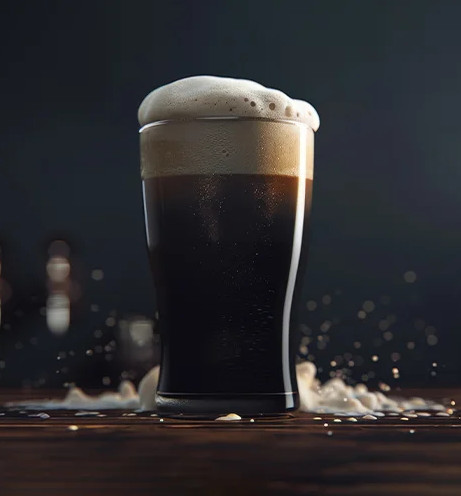
FROM STATEMENT TO SESSION: REFRAMING THE STOUT OCCASION IN EAST AFRICA A global stout brand wanted to increase its share in East Africa by raising average consumption by one additional unit per consumer, per occasion. The brief was simple but ambitious: drive incremental growth in a market where stout was respected for its heritage but rarely consumed beyond 1–2 units per sitting. Importantly, growth had to come without reformulation, discounting, or rebranding. DISCOVERY: WHAT WE FOUNDIN THE MARKET Our immersion across Nairobi, Kisumu, and Mombasa revealed critical dynamics shaping consumption: Category Dynamics Beer dominates alcohol consumption. Lagers hold the majority share as light, sociable “session drinks.” Stouts constitute only ~11–13% of beer volume, admired for richness but less repeatable in long sessions. Cultural Positioning Rooted in colonial-era drinking culture. Stout is associated with strength, maturity, and seriousness. These associations drive stout preference and perceptions of heaviness. Consumption Habits Average stout intake capped at 1–2 units (~500–1000 ml) per sitting. Compared to 3–5 units (1.5–2.5 liters) for lagers. Session Dynamics Weekdays: Shorter, functional sessions (~1.5–2 hours), often solo. Weekends: Longer sessions (3–4 hours), but stout displaced mid-consumption by lighter lagers. Food Pairings: Hearty accompaniments such as nyama choma, tilapia, and chips help manage satiety, cutting session short. Barriers to Growth From these insights, we identified four systemic barriers limiting incremental consumption: Share vs. Stature Stout was respected but under-consumed, contributing far less volume than lagers. Strength vs. Satiety Its richness created admiration but also capped intake early. Occasion Fragmentation Solo drinking and pooled rounds diluted the opportunity for repeat orders. Food as a Constraint Hearty accompaniments reinforced stout’s filling reputation. The implication: unlocking “one more” required redesigning the occasion, not changing the product. Intervention This gave us the spark to develop a stout-smart growth framework: Lighter Pairings We worked with bars to reposition menus, introducing snack-sized, shareable foods that complemented stout without accelerating satiety, extending the drinking window. The Split Challenge A group activation where tables solved puzzles to unlock an extra pitcher (or snack). This: Fostered camaraderie Drew solo drinkers into groups. Created a natural rhythm for “just one more.” Cultural Hook: Greatness Grant Recognising Nairobi’s rise as a startup hub and the region’s hustler culture, we launched a startup programme where people solving real problems for Africa could secure funding. This initiative tied the brand to ambition and resilience, aligning it with the energy of progress both inside and outside the bar. Execution Immersion-led design grounded interventions in lived behaviour. Experience engineering focused on food, pace, and group interaction, not forced consumption. Cultural alignment retained heritage while embedding the brand in Nairobi’s ambition-driven zeitgeist. Impact The 16-week pilot delivered measurable outcomes: +1.2 units average increase per head (from ~2 to ~3.2 units). Extended dwell times at outlets. Higher engagement, with solo drinkers absorbed into collective rituals. Perception shift: stout reframed from a “closing” drink to one that could carry the night. Cultural resonance: the startup programme celebrated the hustler spirit and strengthened the brand’s role as a catalyst for African progress. Explore more Strategy Films Brand Identity Want to make your brand unforgettable at the table? Get in touch

Uncategorized

Packaging

Packaging Label Design Labels that not only stand out on the shelf but also communicate the essence of your product at a glance. Structure Design Innovative packaging structures that balance form and function, offering both practicality and visual appeal. Pack Design Eye-catching pack designs that turn products into experiences, capturing consumer attention and loyalty. SRP (Shelf-Ready Packaging) Efficient, visually compelling SRPs that enhance retail presence and streamline operations for retailers. Need Help? Reach out to us

Scroll to Top